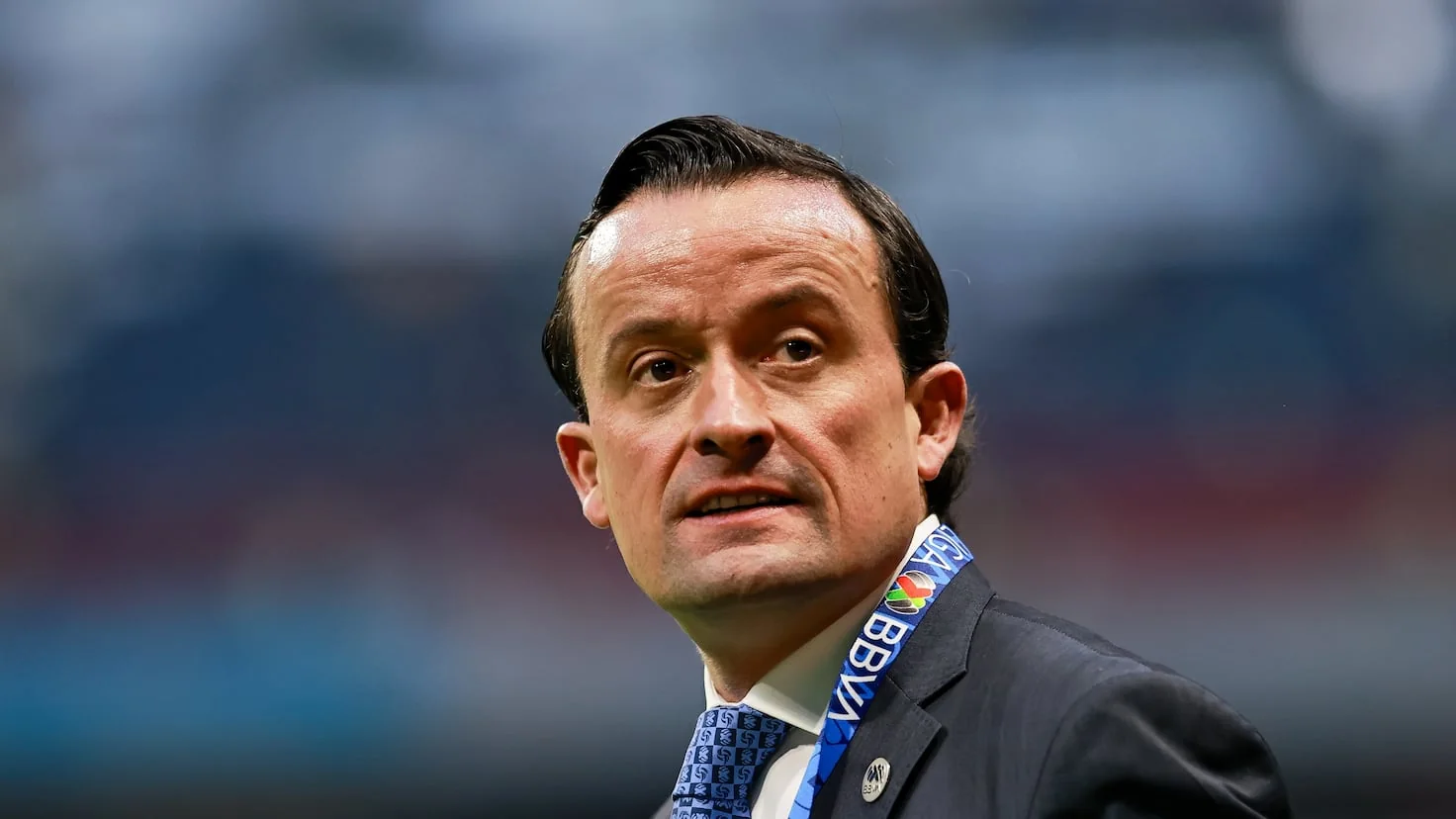
Liga MX clubs are to have a place in a new Technical Refereeing Committee announced by the Mexican Football Federation on October 22, 2026. The proposed body brings clubs together with the Refereeing Commission and independent advisers. Its stated purpose is better institutional communication and improved refereeing.
For supporters, the immediate question is what that participation changes on the pitch. The announcement does not establish a club veto over referees or a new power to rewrite results. As of October 29, the useful distinction is between the four measures announced, the existing responsibilities of match and disciplinary officials, and the details still needed to judge whether the reform delivers.
What the FMF announced on October 22
The FMF announced instructions to improve how refereeing is organized, taught and documented. Commissioner Mikel Arriola asked the federation and the Refereeing Commission to work with Liga MX on four areas. Reports published by AS México, La Jornada, N+ and other outlets on October 22 agree on that core plan.
Four measures belong to the same plan
The new committee attracts the headline because clubs would participate directly. It sits alongside three measures concerning the officials' work before, during and after matches:
- Strengthen incentives related to international certification and league performance, improving the referee appointment process.
- Refine refereeing criteria and communicate them continuously through official training and information to clubs.
- Make reports of incidents and indiscipline more consistent.
- Establish a Technical Refereeing Committee involving clubs, the Refereeing Commission and independent advisers to improve institutional communication.
These measures address different points in a match's life. Training is supposed to prepare the referee before an incident occurs. An appointment process decides who takes the assignment. A report records what happened for later consideration. A committee can provide a place to discuss the wider system. Moving one of those parts does not automatically solve a weakness in another.
For a supporter, that means the announcement should be judged through its eventual effects. A new meeting is useful if it leads to clearer expectations for players and coaches or a better explanation of disputed decisions. Its creation alone does not tell a defender how a particular challenge will be assessed, and it does not demonstrate that similar incidents are already being handled more consistently.
The announcement also requires the FMF and the Refereeing Commission to report permanently to Arriola on the tasks. That establishes an internal follow-up obligation in the reported plan. It does not, by itself, promise a weekly public bulletin, a televised committee meeting or the release of every referee's assessment. Supporters need to distinguish reporting to the commissioner from information available to the people watching the matches.
Who joins the committee and what authority is confirmed
The announced participants are clubs, the Refereeing Commission and independent advisers. The public reporting identifies those groups, rather than a complete membership list and operating rules. It should not be read as confirmation that every owner has an individual vote, that particular former referees have been appointed or that the committee is already hearing cases.
A club voice does not establish a club veto
Clubs can contribute knowledge about how explanations reach dressing rooms, which instructions players find unclear and where coaches see inconsistent treatment. A structured conversation could turn a repeated touchline complaint into a specific question answered for everyone. That is a plausible benefit of participation, rather than a description of a meeting that has already occurred.
It does not follow that a club can reject the referee assigned to its next game. AS México's October 22 report notes that powers concerning evaluations, appointment recommendations and specific incidents were not yet precise. Until those responsibilities are defined, saying clubs will choose their own officials goes beyond the announcement.
Independent advisers need a defined role
The word independent is encouraging, but supporters still need to know how advisers are selected, what expertise they bring and whether they advise, vote or review. Sports Illustrated México also highlighted the absence of detailed powers and member-selection arrangements. A description of the participant groups cannot answer those practical governance questions.
Our view is that published conflict-of-interest rules would make the arrangement easier to trust. If a club's own disputed match is discussed, fans should be able to understand who participates and what decision, if any, can result. That is a recommendation for the committee's design, not a claim that such rules have already been adopted or that a current participant has acted improperly.
Clear boundaries would also protect referees. An official should be able to learn from a technical discussion without supporters assuming the next appointment rewards whichever club complained most loudly. The useful goal is a shared explanation of the standard applied to all teams. A committee that merely amplifies competing club demands would leave the original uncertainty intact.
How referee appointments and training could change
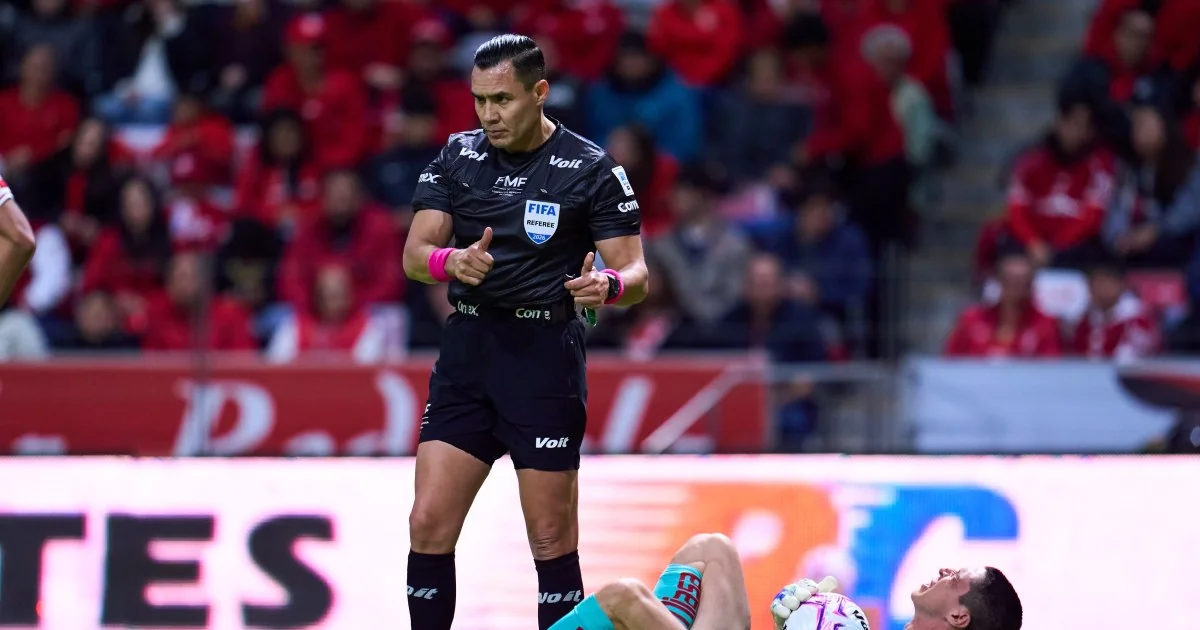
The plan links referee development and performance to a better appointment process. It also calls for the continuous communication of refereeing criteria to officials and clubs. These are instructions about preparation and administration; they do not announce that a different handball threshold or penalty rule takes effect in the next Jornada, the league's term for a matchweek.
The reports do not supply a new appointment formula, a table of performance scores or specific financial bonuses. Those details matter before anyone can claim a referee has gained or lost a match because of this reform. Strengthening an incentive is a stated direction; knowing exactly how it affects an assignment requires the method that puts it into practice.
International certification is not a match-day guarantee
A referee's qualification cannot settle whether one particular decision was correct. Fans still need the incident, the applicable rule and an explanation. Treating a badge as a complete answer would avoid the question the supporter is asking. Conversely, a disputed call is not enough on its own to demonstrate that the whole development system has failed.
One useful improvement would be to show officials and clubs the same instructional examples. If coaches receive a clear explanation before a matchweek, they can prepare players for the standard expected. That is our suggested test of useful communication, rather than a claim the FMF has promised to distribute a particular video package.
Consistency also requires explaining relevant differences. Two television clips can look alike while leaving out what makes the decision different: the location, the ball's movement, the opponent's position or the nature of the contact. A shared standard should help people identify those differences rather than insist that every collision receives the same card.
For example, a hypothetical compilation that shows only the final frame of two challenges may make them look identical. Starting both sequences earlier could reveal a different action entirely. A convincing explanation should identify that distinction in football terms. It should also say when guidance was communicated, so supporters can separate a newly clarified interpretation from an inconsistent application of an existing one.
Why consistent referee reports matter
A clearer report can improve what happens after a controversial match. The referee's account records conduct that may be considered by disciplinary authorities. Under the FMF's sanctions regulations, reports and available video are among the material used to decide sanctions. How an incident is described therefore matters beyond the color of a card shown on television.
Imagine a hypothetical incident in which a player gestures toward an official after being dismissed. A useful account would describe the action and its context. A vague label might leave unanswered who was addressed, when the action occurred or what conduct was being reported. That example illustrates the value of accurate recording; it is not an allegation that a particular Liga MX report omitted those facts.
The principle already exists in the 2026–27 sanctions regulations. Article 78 requires the refereeing and disciplinary commissions to align the wording used for offences, so the report and the applicable sanction use corresponding terms. October's instruction to improve uniformity should therefore be understood as work on consistent execution, rather than the invention of reporting from nothing.
A match report is different from public VAR audio
Three things are easily confused: the referee's report, the disciplinary notice that communicates a sanction, and audio of an in-match VAR conversation. They describe different stages and can answer different questions. A notice may identify the punishment without reproducing the full report. An audio clip may explain a review without deciding a later disciplinary case.
Article 78 treats the underlying referee report as an internal document, with access for the clubs involved and specific restrictions on wider disclosure. A plan for more uniform reports does not automatically make those reports public. Nor does it establish a new schedule for releasing all VAR conversations. The announcement needs to be read according to the information it actually promises.
Supporters can still ask for an intelligible explanation: what conduct was established, which rule applied and why the outcome followed. Publishing such an explanation is a separate communication choice from circulating every internal document. In our assessment, a short answer addressing those points would do more for confidence than a general assurance that all procedures were followed.
Does the committee change red cards or match results
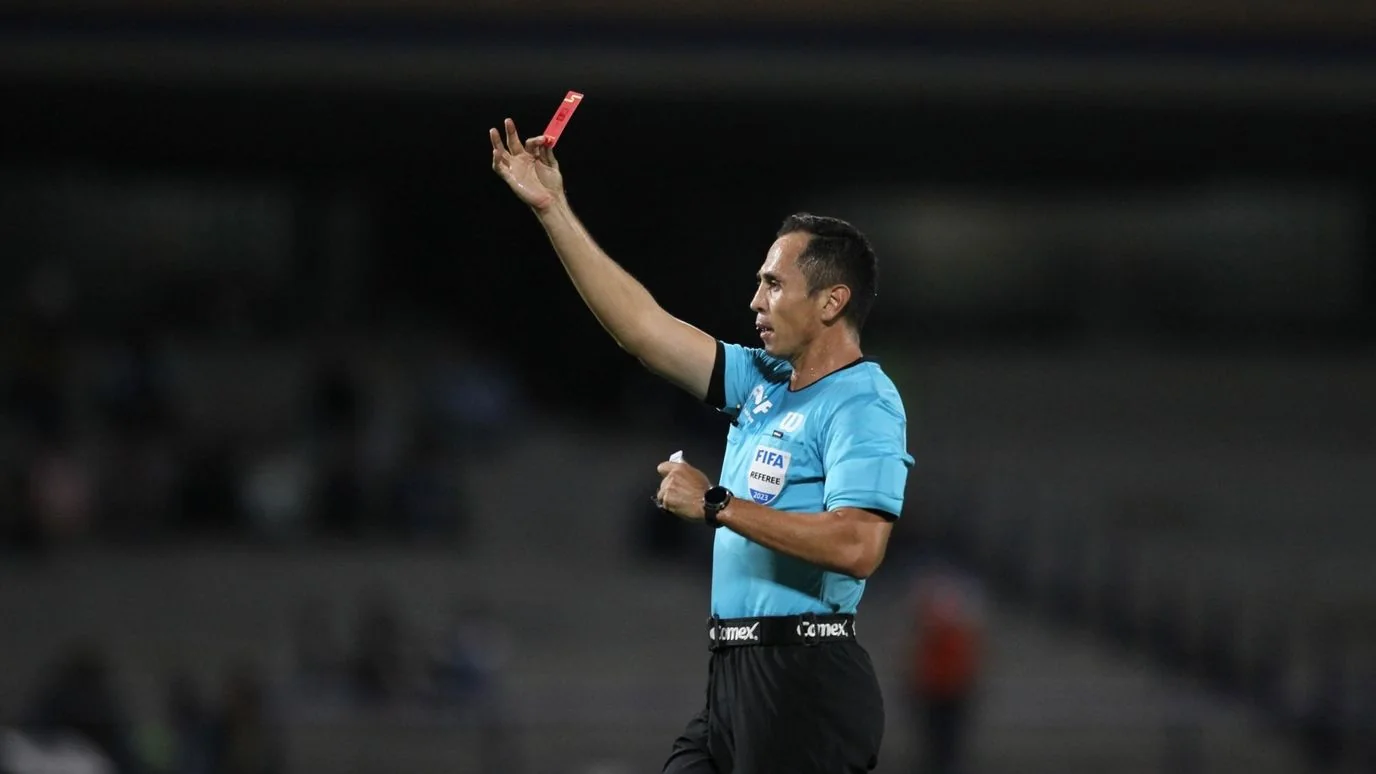
The October 22 announcement does not create a new route for clubs to overturn cards or results through the technical committee. Improving refereeing and deciding a disciplinary challenge are different responsibilities. A supporter should look for a formal decision from the relevant authority before treating a suspension or league position as changed.
A disciplinary challenge already has its own route
The current FMF regulations already provide for correcting certain disciplinary errors involving dismissals. Article 72 sets out that responsibility for the Disciplinary Commission, while Article 96 addresses challenges to that commission's rulings through the Appeals Commission. Those mechanisms should not be folded into the new committee simply because all three concern refereeing disputes.
A recent example shows the importance of identifying the decision-maker. The FMF's October 23 Jornada 13 notice confirmed the removal of Nathan Silva's card after Pumas requested a review and submitted evidence. It was a disciplinary outcome, not evidence that the newly announced technical committee had begun reversing match decisions. The shared subject does not make the institutions interchangeable.
Live decisions still belong to the referee
Under IFAB Law 5, the referee makes the final in-match decision, including when assisted by VAR. Decisions on facts connected with play and the result are final under the law. A club representative's place in an institutional discussion does not make that representative another match official.
That distinction matters when the next controversial incident occurs. A statement that a club will raise the matter with the committee may concern future explanations or standards. It is not the same as a VAR recommendation during the game, a disciplinary ruling afterward or a formal alteration of the competition record. Read the action being proposed before assuming its effect.
Use the current standings for the points that actually count. A meeting, an accepted complaint or a promise to examine an incident does not award a team points. The practical question is precise: which body issued which decision, and what did that decision change? That question helps supporters follow a dispute without expecting a communication committee to provide a remedy that has not been assigned to it.
What supporters should look for before judging the reform
Look for implemented steps and usable explanations. Sports Illustrated México noted that the announcement did not set an implementation timetable or explain how results would be evaluated. A published membership list, defined responsibilities and examples of guidance reaching clubs would be evidence of progress. Those are suggested tests for supporters, rather than deadlines the federation has announced.
Check the body's name when reading follow-up coverage. ClaroSports distinguishes this Technical Refereeing Committee from the earlier Comité de Enlace Arbitral, a separate referee liaison initiative associated with matters concerning officials themselves. Similar names do not establish identical powers. A story about conduct rules for referees should not automatically be treated as the technical committee's first decision.
Ask for explanations that can be compared across clubs
A useful public explanation should show enough of an incident to identify the relevant issue. It should distinguish the referee's original decision, any video intervention and the rule being applied. If officials say two apparently similar incidents differ, the explanation should point to that difference. This is a practical standard for communication, not a demand that every viewer agree with every judgment.
Any future error figures should also explain what is counted. Are they measuring decisions on the field, VAR interventions or later disciplinary corrections? Do they include correct calls as well as disputed ones? Has the interpretation changed during the sample? These are questions supporters should ask of a claimed improvement. The October plan has not supplied an official target or a dataset that answers them.
The volume of complaints is an unreliable shortcut. A match with a large audience may generate more posts than another game, and an unpopular correct decision can still provoke anger. A credible assessment needs comparable incidents and a consistent standard. Counting the loudest reactions could reward better publicity without demonstrating better refereeing.
For match-day planning, follow the current weekly fixtures and the Liguilla guide. The Liguilla is the league's knockout postseason; its approach explains why clubs want clarity before decisive games. The committee announcement itself does not change a kickoff, a qualifying position or the authority of the official taking charge.
When the next update arrives, ask what action has been completed, who is responsible for it and what a player, coach or supporter can now understand better. Those answers would turn the four-point instruction into something observable. Until then, the announcement establishes a direction and a proposed channel for dialogue, with the operating details still essential to judging its value.
Comments
Comments are reviewed before publication.
Sign in with Google to comment. Spam, abusive content, personal information and policy-violating links are not published.
Sign in with Google to comment or reply.
Loading comments…