Is promotion and relegation back in Liga MX right now?
No. As of September 27, 2026, a Liga Expansión MX title does not send its winner into Liga MX, and finishing at the bottom of Liga MX does not send a club down. Mexico's football pyramid has become the subject of a Senate proposal and a competition-authority investigation, but neither development has changed the rules that govern the current season. The distinction matters if a headline makes it sound as though the next champion already has a first-division place waiting.
The answer as of September 27, 2026
The most useful document for a supporter is the FMF's 2026–27 Liga MX competition regulation. Article 35 says that Liga MX clubs do not drop into Expansión MX and Expansión clubs do not rise into Liga MX under the agreement adopted by the federation's executive committee. It is a current sporting rule, not a forecast about what politicians or regulators may decide later. The federation still lists that regulation among its current competition documents.
That means the ordinary league table answers questions about form, postseason position and pride, but it cannot be read as a relegation countdown. In the lower division, a side can pursue its tournament championship without being able to turn that title directly into a place at the top level. This is the immediate frustration behind the latest argument. Our earlier history of why Liga MX ended promotion and relegation explains the decision that created the closed route; here the question is whether the September 2026 developments can change it.
Two new processes, neither a changed league rule
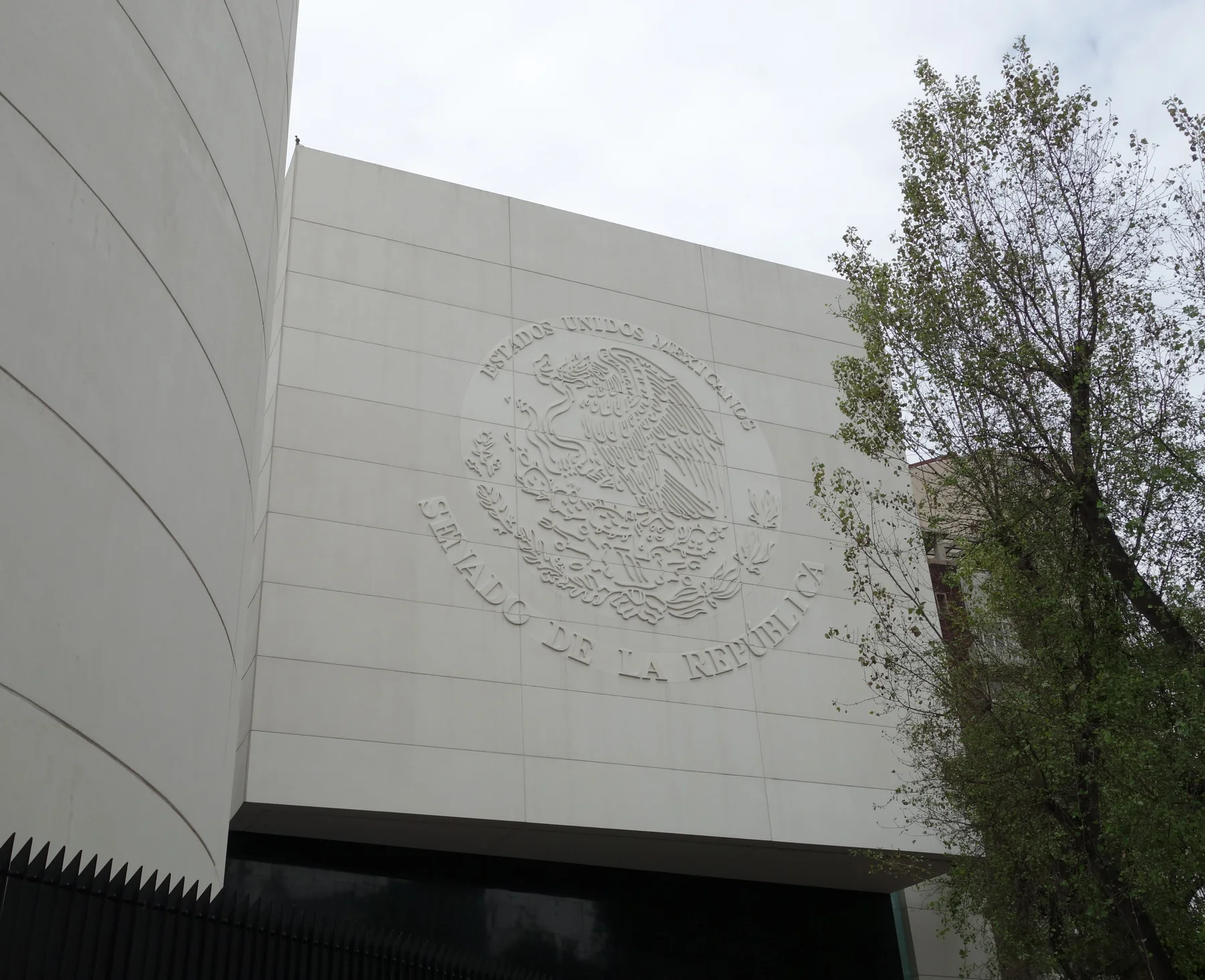
On September 14, the Comisión Nacional Antimonopolio, or CNA, formally opened a case examining possible anticompetitive practices in professional football. On September 23, senators introduced a proposal that would write sporting merit and movement between professional divisions into Mexico's sports law. The Congress Channel described the proposal as under Senate review the following day. Those are separate tracks: one investigates conduct in a market; the other asks lawmakers to change the law.
Neither is a match result, a final agency decision, an enacted statute or an amended FMF rulebook. There is no announced promotion playoff, relegation match or implementation season to put on the calendar. The honest answer to “when is it coming back?” is therefore that no verified return date exists yet. What supporters have gained is a more public test of the closed model and specific institutions whose next decisions can be followed, rather than another unsourced promise that the door will open soon.
What would the Senate bill require?
The proposal would make a genuine route between professional divisions a legal obligation built around results on the pitch. It would not itself promote Atlético Morelia, Leones Negros or any other Liga Expansión club. The measure presented on September 23 by Movimiento Ciudadano senator Clemente Castañeda is a proposed change to Mexico's General Law on Physical Culture and Sport, not a new Liga MX competition regulation.
Sporting merit and a permanent route between divisions
According to La Jornada's account of the Senate presentation, the bill would require a permanent promotion-and-relegation mechanism when a professional structure contains two or more divisions. It is intended to cover the categories within that structure, rather than allowing the top tier to be sealed off while a lower tier plays for a trophy with no sporting route upward. Results and sporting merit would be central to promotion, relegation and continued membership of a division.
For a supporter, that is the core promise: winning in Expansión should be capable of opening a first-division door, and a Liga MX club should have a real sporting risk at the other end. But the word “capable” matters. A principle in a proposed statute is different from a competition formula. The draft does not announce that the next Expansión champion automatically replaces the last-placed Liga MX club; the number of places, season-long calculation and eligibility tests would all need actual rules.
The legislative steps still ahead
The bill has not been enacted. La Jornada reported that it was referred to the Senate's Sport and Legislative Studies committees for a dictamen, the committee report that would determine what text advances for debate. Cross-party expressions of support are politically meaningful, but a senator adding their name is not the same as a final vote. There is no confirmed date for a decisive vote, no published law changing the football system and no new sporting season assigned to the proposed measure.
The Congress Channel's September 24 report says Senate leaders want to hear from Liga MX and the Mexican Football Federation before defining changes. That is a practical reason to resist the fastest headlines. The details that matter to clubs could be revised in committee, and any resulting measure would still have to complete the legislative process and be published before it could create a legal duty. Fans can follow that trail; they cannot yet pencil a promotion battle into the 2026–27 calendar.
What the proposal leaves for football authorities to design
The proposal does not ask senators to run a schedule or draw the promotion playoff. Reporting on its text says national sports associations would retain the job of designing competition rules, while those rules would have to be clear, public and objective, and could not be rewritten in midstream. Castañeda framed the idea as setting a fair competition framework, rather than replacing football's own administrators.
That leaves difficult football questions on the table. Would a club earn the right through a single Expansión title, an annual points total or a final between tournament winners? How many Liga MX places would be at risk? What stadium, financial and administrative conditions would an aspiring club have to meet, and how would a club appeal a rejection? A credible open system must answer those questions before matches begin, so both the team fighting to rise and the team fighting to stay know the stakes. The bill opens that argument; it does not settle it.
What is the antitrust authority actually investigating?
The CNA is examining possible restrictions around who can join, organize and access professional football competitions in Mexico. It has not ruled that Liga MX broke competition law, and it has not ordered a promotion place to be created. That makes the September 14 opening of the case important, but different from a verdict on the closed league.
The CNA's case, market definition and present stage
The official notice in Mexico's Diario Oficial identifies the case as IO-001-2026. Its investigated area is “affiliation, organization and access” to federated professional football competitions, together with similar or related services. In ordinary football terms, this could touch the gateway through which a club enters a competition and the rules that govern that gateway. It is wider than simply asking who finished first in Liga Expansión last season.
The notice describes a possible form of abuse of market power, known in Mexican competition law as prácticas monopólicas relativas. The agency's investigative branch can seek information and examine conduct before deciding whether there is a case to pursue. Its public document is careful about what it has not yet established: it has not fixed the exact conduct, the final relevant market or the parties who might have to defend themselves. Reports about the end of promotion and relegation explain why supporters care, but they should not be rewritten as a formal finding that the current Article 35 is unlawful.
Why an investigation is not an order to reopen the league
The first procedural step is evidence gathering. The official notice explicitly says opening the investigation does not prejudge any economic actor's responsibility. If the authority later identifies a probable violation, there is a further process before any final decision. An eventual finding could lead to corrective measures, but neither a particular remedy nor its effect on a future football season can be known from an opening notice.
The document gives an initial investigation period of 30 to 120 working days and allows extensions. That is a range for the investigation, not a countdown to the return of promotion. It also means fans should expect a slower, less visible process than a fixture announcement: information requests and legal review do not create an immediate opponent for an Expansión champion. If the CNA closes the file without a finding, this route may change nothing. If it reaches an adverse decision, the precise order and any response from the football authorities will matter more than the original headline.
That is why the Senate bill and CNA case should be followed separately. Lawmakers are proposing a general sporting obligation; the authority is testing possible conduct under competition law. They can both put pressure on the existing setup, but neither has yet rewritten the same FMF rule that clubs are playing under today.
What would an open pyramid change for clubs and supporters?
An open route would give a lower-division season a potential reward beyond its own trophy and put a first-division place at risk for a struggling Liga MX club. That is the sporting change supporters are arguing over. It is also why the debate is sharper than a technical discussion about who owns a league certificate: years of work on the pitch currently cannot, by themselves, take an Expansión side into Liga MX.
Liga Expansión's missing sporting prize
The FMF's 2026–27 Liga Expansión regulation says plainly in Article 35 that its clubs will not be promoted to Liga MX this season. A title still belongs to the players, coaches and city that earn it. It can bring a final, a parade, a stronger following and a better case for investment. What it cannot currently bring is the conventional prize that links a second tier to the top flight: the chance to test that winning team against first-division opponents next season.
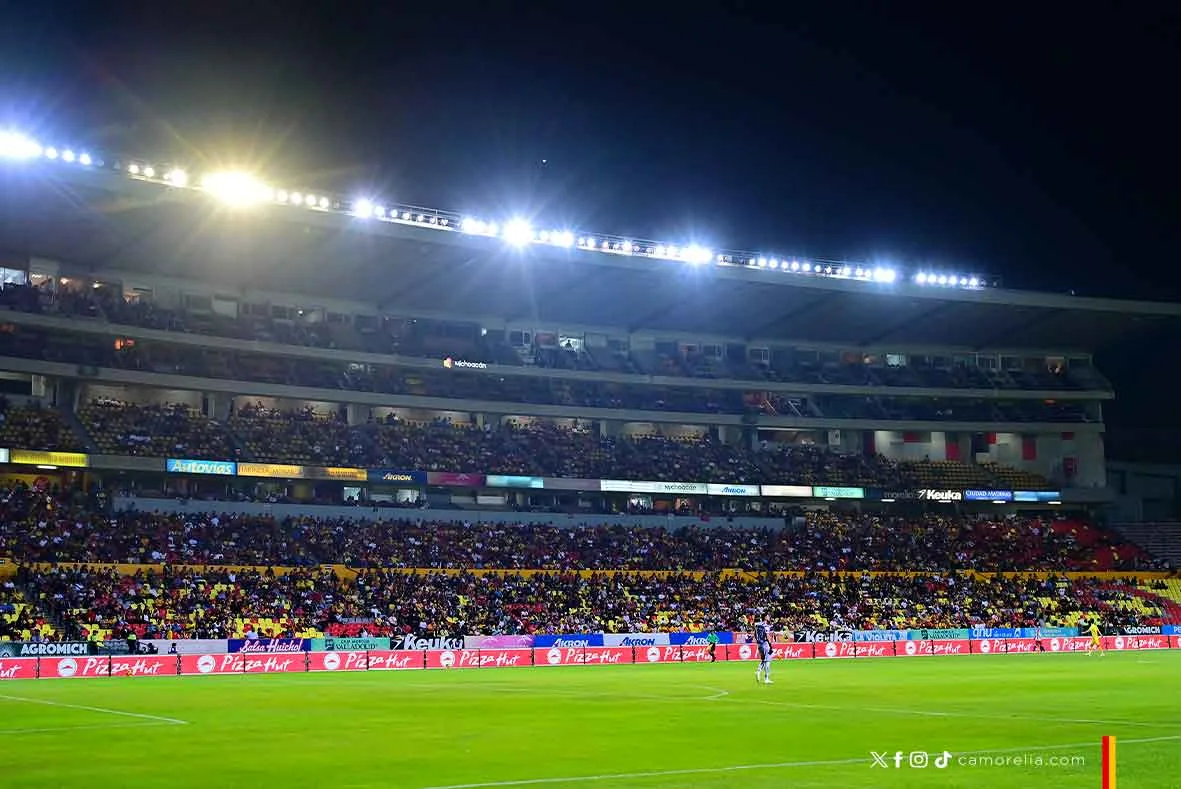
That missing step has a specific human face. In July, Leones Negros, Atlético Morelia and Cancún FC publicly opposed the federation's decision and said they would defend sporting merit through legal channels. During the Apertura's early rounds, supporters and players in several Expansión cities staged protests. In Morelia, fans organized around the Estadio Morelos and called for the route upward to be restored. That is more concrete than a general complaint that a closed league feels unfair: clubs are weighing facilities and squads against a ceiling that cannot be broken by winning a final.
There are fair questions on the other side of the argument. A club moving up must be able to stage safe matches, meet financial obligations and run a professional operation. Supporters do not benefit from an unstable promotion that collapses a year later. But eligibility should be a known, attainable standard applied consistently, rather than an invisible second finish line revealed after a club wins. That is why the Senate proposal's promise of public rules matters even before anyone settles a format.
Why the bottom of the Liga MX table currently means something different
For top-flight supporters, the Liga MX standings still matter. A poor run can end a Liguilla hope, cost a coach his job or force owners to explain a failed season. The Liguilla is the postseason competition for the league title, so regular-season points affect which clubs get that chance and their position going into it. But under current Article 35, finishing low does not put a team's division membership on the line.
The regulation still uses the tabla de cociente, a points-per-game quotient table with a history in Mexico's relegation system, for at least one standings tie-break. Its presence on a page does not revive relegation. The sporting consequence that used to give a bottom-of-the-table meeting existential weight is absent. If movement returns, the federation will have to spell out whether a single tournament, a full season or a multi-season quotient determines who drops. Until then, calling any current match a “relegation six-pointer” would mislead the fan watching it.
Can political pressure or a court ruling force a 2026–27 return?
Public pressure can change the debate, and a later legal decision could change obligations. Neither a Senate speech nor the arbitration result that fans often cite has already installed promotion and relegation for 2026–27. The distinction is especially important because the tribunal's earlier decision, a new club appeal and the Senate proposal concern different questions.
The separate CAS case and football-rule question
In September 2025, the Court of Arbitration for Sport, known in Spanish as the TAS, rejected six Liga Expansión clubs' attempt to force promotion and relegation for the 2025–26 season. Its published award interpreted the 2020 six-season suspension as running through 2025–26. Some headlines then treated the end of that temporary period as a guaranteed 2026–27 return. The award says something narrower. The tribunal found that questions about future format and restrictions were outside the FMF decision it had been asked to review. It did not design a new promotion tournament or order the current season's clubs to change divisions.
After the FMF published its 2026–27 rules without promotion or relegation, five Expansión clubs brought a new challenge, according to August reporting on the appeal. That challenge concerns the new decision, rather than simply repeating the old date dispute. As of September 27, there is no verified final award in that newer case. It would be wrong to announce either that the clubs have won or that the matter is settled against them.
There is another complication behind claims that the Senate “cannot touch football” or that FIFA will automatically punish Mexico. FIFA's statutes protect member associations' independent management. Their competition rules also put sporting results first when clubs qualify for national championships, while allowing licensing tests for infrastructure, administration, law and finances. Those provisions pull the discussion toward both football autonomy and a meaningful sporting pathway. They do not, by themselves, supply an instant answer to how a Mexican statute, an FMF rule and a club appeal would interact.
For the fan, the test is concrete: has an institution with authority issued a final, applicable decision, and has the competition organizer published the resulting rules before the relevant season? Until both questions can be answered from documents rather than hopeful interpretations, the clubs must plan for the written 2026–27 rule. Political momentum is real; a promotion slot on the match schedule is not.
What should fans watch before believing a return date?
Watch the documents that can actually change the competition, not a date inferred from a politician's speech or an agency timetable. A real return would be visible in a completed legal or sporting decision and then in a rulebook that tells clubs how a place is won and lost. Until that chain exists, any claimed “first promotion season” is a projection.
The next public milestones in the Senate and CNA files
For the Senate route, the first useful milestone is the committees' report on Castañeda's initiative. Its wording will reveal whether the original sporting-merit idea survives intact, is narrowed or changes substantially after hearing football officials and other participants. Subsequent votes and publication of an enacted measure would matter far more than the number of legislators who applauded its introduction. As of September 27, the public evidence supports proposal under review, not law in force.
For the CNA route, look for an official update tied to case IO-001-2026, especially whether the investigative branch alleges a probable violation and whether a later decision orders a specific correction. The Gazette's 30-to-120-working-day initial window can be extended, so it cannot be converted into a season launch date. The newer CAS appeal by Expansión clubs is a third file to watch for an actual award. None of these files should be collapsed into the others simply because they concern the same closed gateway to Liga MX.
The league rulebook, eligible clubs and an actual season announcement
The football authorities' own plans deserve the same careful reading. In an August 20 FMF announcement republished by Club Puebla, Liga Expansión is placed at the top of a connected lower-division pyramid, with joint cups, reserve teams and development links to Liga MX. The federation describes work continuing through 2026 and 2027. That is a roadmap for restructuring; it is not an announcement that the 2027 Expansión champion will be promoted into Liga MX.
The decisive change would be a new FMF or league regulation replacing Article 35 and explaining the first season it applies to. It should identify how many clubs move, what results determine them, which lower-division sides may qualify, what licensing standards apply, how rejected clubs can appeal and when the final places are confirmed. Those details protect supporters from a hollow “return” that leaves the finish line unclear. Until they appear, use the current Liga MX calendar for matches and postseason dates, not for an invented promotion decider.
Mexico's September debate has moved beyond a familiar complaint: senators have filed a bill, a competition authority has opened a case, and clubs have challenged the rule again. Those are meaningful events. The answer for the current season remains simple, though. Expansión teams can fight for their own title, Liga MX teams can fight for the Liguilla, and neither result currently sends a club across the divide. The next credible headline will show the rule that changes that fact.
Comments
Comments are reviewed before publication.
Sign in with Google to comment. Spam, abusive content, personal information and policy-violating links are not published.
Sign in with Google to comment or reply.
Loading comments…