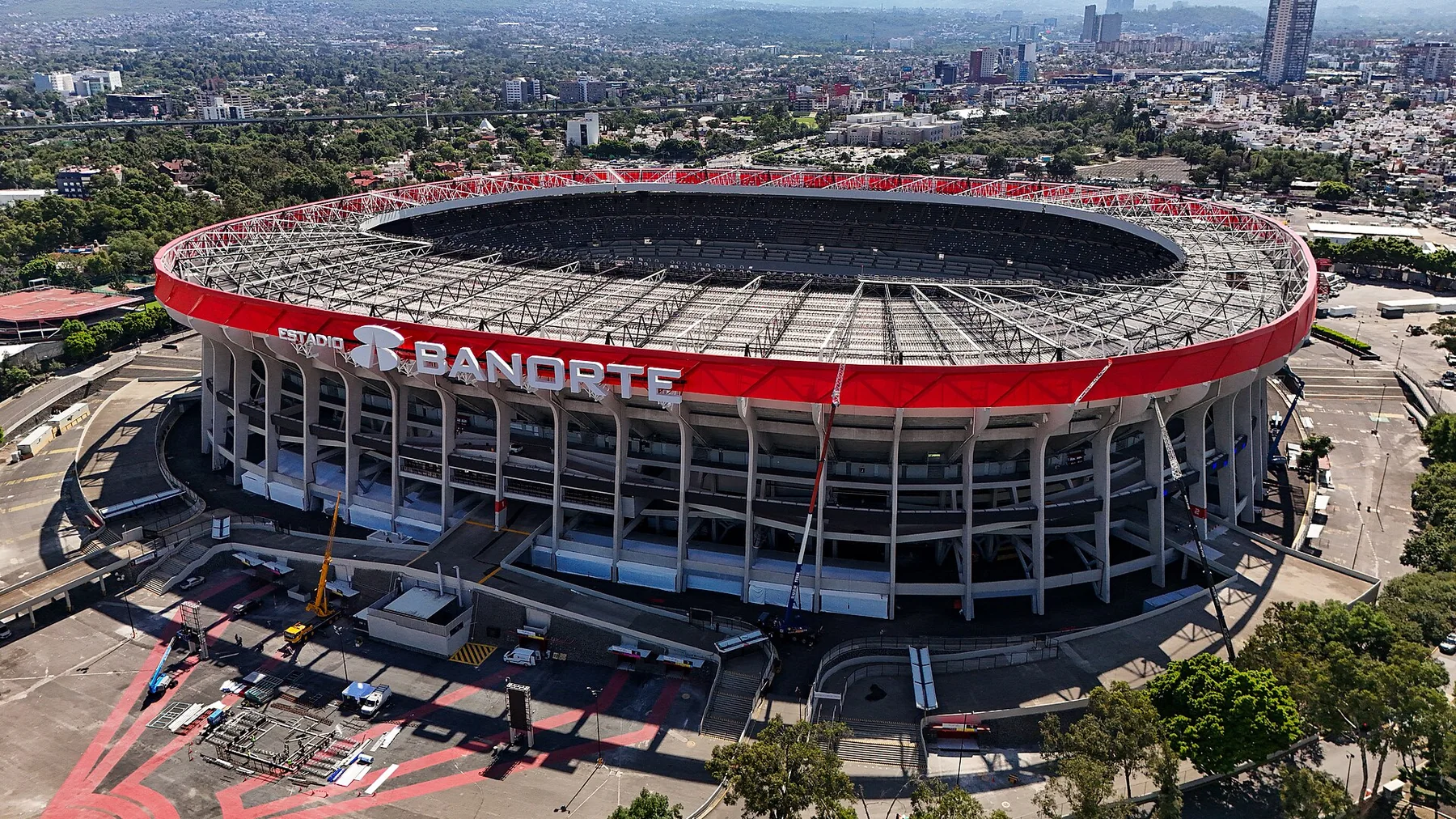
Liga MX teams map at a glance
Liga MX is a national league, but its 18 clubs are not spread evenly across Mexico. The Apertura 2026 field has its largest concentration in Mexico City, two-club hubs around Guadalajara and Monterrey, and a long chain of teams running from the northern border through the Bajío and central Mexico.
Where Mexico’s 18 top-flight clubs are concentrated
The capital is the clearest cluster: América, Atlante, Cruz Azul and Pumas UNAM all have home fixtures listed in Mexico City. Atlas and Guadalajara represent the Guadalajara area, while Monterrey and Tigres UANL sit on opposite sides of the Monterrey metropolitan rivalry. The remaining ten clubs give the league its broader footprint, from Tijuana and Ciudad Juárez in the north to Puebla in the southeast of the current top-flight map.
How to use this map with the live schedule
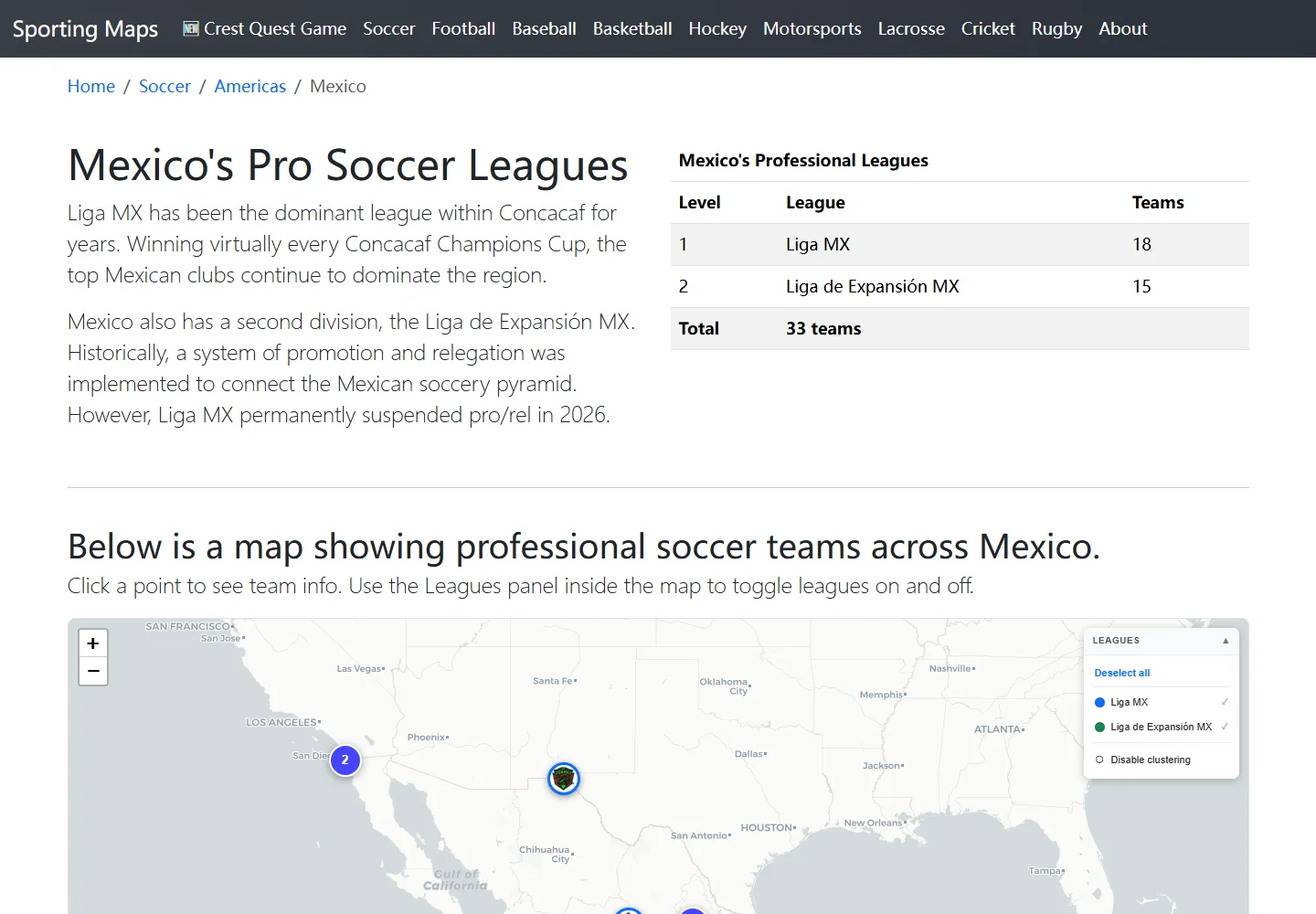
Use the map to choose a city or club, then switch to the complete Liga MX schedule for dated fixtures. For a shorter planning window, the games this week page is more reliable than a static stadium list because kickoff times and venue assignments can change after the original calendar is released.
Liga MX teams and cities in 2026
This is the current Apertura 2026 lineup, matched to the home venue and city carried by the live schedule. A club’s traditional identity and the municipality of its stadium are not always the same—Monterrey plays in Guadalupe, Tigres plays in San Nicolás de los Garza, and Guadalajara’s Estadio Akron sits in Zapopan—so the table keeps both the familiar market and the practical venue detail in view.
Complete club, city, state and stadium table
| Team | City / metro | State | Current schedule venue |
|---|---|---|---|
| América | Mexico City | Mexico City | Estadio Banorte |
| Atlante | Mexico City | Mexico City | Estadio Banorte |
| Atlas | Guadalajara | Jalisco | Estadio Jalisco |
| Atlético de San Luis | San Luis Potosí | San Luis Potosí | Estadio Libertad Financiera |
| Cruz Azul | Mexico City | Mexico City | Estadio Banorte |
| FC Juárez | Ciudad Juárez | Chihuahua | Estadio Olímpico Benito Juárez |
| Guadalajara (Chivas) | Guadalajara / Zapopan | Jalisco | Estadio Akron |
| León | León | Guanajuato | Estadio León |
| Monterrey (Rayados) | Monterrey / Guadalupe | Nuevo León | Estadio BBVA |
| Necaxa | Aguascalientes | Aguascalientes | Estadio Victoria |
| Pachuca | Pachuca | Hidalgo | Estadio Hidalgo |
| Puebla | Puebla | Puebla | Estadio Cuauhtémoc |
| Pumas UNAM | Mexico City | Mexico City | Estadio Olímpico Universitario |
| Querétaro | Santiago de Querétaro | Querétaro | Estadio Corregidora |
| Santos Laguna | Torreón | Coahuila | Estadio Corona |
| Tigres UANL | Monterrey / San Nicolás | Nuevo León | Estadio Universitario |
| Tijuana (Xolos) | Tijuana | Baja California | Estadio Caliente |
| Toluca | Toluca | State of Mexico | Estadio Nemesio Díez |
Venue note: these stadiums are attached to current Apertura 2026 home fixtures in the live schedule. Always open the individual match before buying tickets or arranging transport.
What changed for the Apertura 2026 field
Atlante is the one name that makes a 2026 map look different from the previous tournament. Liga MX owners approved the transfer of Mazatlán FC’s franchise rights to Atlante, bringing the Potros back to the top division for the Apertura. Atlante replaced Mazatlán rather than creating a 19th place, so the league still has 18 clubs.
That change is also why an older Liga MX teams map can be misleading even when the rest of its geography looks familiar. A current list should show Atlante in Mexico City and remove Mazatlán from the top-flight field.
Mexico City has the league’s biggest club cluster
No other current Liga MX market has four clubs. The capital combines nationally followed teams, university identity, historic rivalries and Atlante’s return, making Mexico City the most useful place to start if the map is helping you choose several matches in one trip.
América, Atlante, Cruz Azul and Pumas UNAM
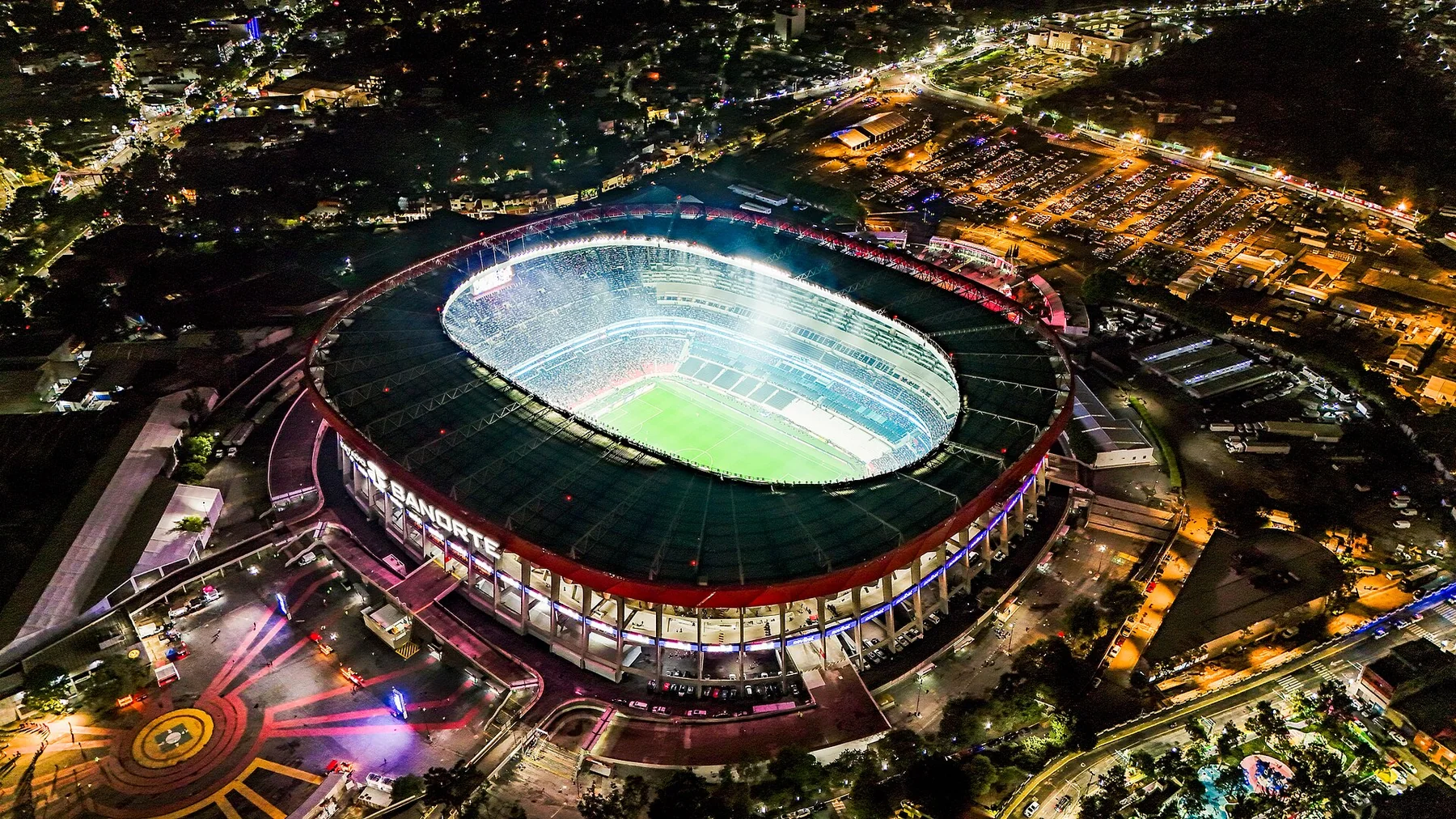
Why capital-city stadium assignments need a final check
América, Atlante and Cruz Azul currently have Apertura home fixtures attached to Estadio Banorte. Pumas remains associated with Estadio Olímpico Universitario. That three-plus-one split is simple enough on a map, but it should not become an assumption for every ticket: renovations, major events and club agreements have all affected Mexico City venue use in recent seasons.
Open the specific match before traveling. The team schedule tells you which club is home; the match page supplies the listed stadium, date and converted kickoff time.
Guadalajara and Monterrey anchor two-club markets
After Mexico City, the map’s most recognizable pairings are in Jalisco and Nuevo León. Each market has two clubs, two distinct home grounds and a derby that turns a geographic grouping into one of the dates supporters look for first.
Atlas and Guadalajara in Jalisco
Atlas plays at Estadio Jalisco in Guadalajara. Guadalajara—widely known as Chivas—uses Estadio Akron in Zapopan, within the same metropolitan area. That municipal detail matters on a travel map: searching only for “Guadalajara stadium” can point a visitor toward the wrong side of the city.
Monterrey and Tigres in Nuevo León
Rayados represent Monterrey and play at Estadio BBVA in Guadalupe. Tigres UANL plays at Estadio Universitario in San Nicolás de los Garza. Both stadiums sit in the Monterrey metro, but they are separate destinations with different routes, ticket systems and match-day surroundings.

Liga MX stretches from the border to central Mexico
The three largest clusters account for eight clubs. The other ten make the map national: three northern teams create long road trips, while seven single-club markets form a much tighter band through the Bajío and central Mexico.
Northern and border-city teams
Tijuana and Ciudad Juárez sit directly on the United States border, making timezone and crossing plans part of match day for many visitors. Santos is farther inland in the Comarca Lagunera, but still creates one of the league’s longest north-to-central travel routes.
Bajío and central-Mexico teams
These cities are closer together than the northern markets, but “nearby” does not mean interchangeable. Each team link above opens its own 17-match regular-season route with the home/away designation, listed venue and latest kickoff information.
Matchday planning
Use the map to plan a Liga MX match
A map answers where; the live schedule answers when. Use both before booking a ticket, hotel or intercity trip, because kickoff times and venue assignments can be updated.
Choose a city, then open the team schedule
Pick the city
Use the map and table to identify the club or multi-team market that fits your route.
Open the club page
Follow the team link in the table to see its current home and away fixtures.
Recheck the date, stadium, local time and TV listing
Date and kickoff
Confirm the displayed local date and time shortly before matchday.
Home club and venue
Verify the stadium listed on the latest fixture, not an older guide.
TV and streaming
Check the Liga MX TV schedule; availability varies by home club and location.
Same-day status
Use Liga MX games today for a final check.
If you are traveling, keep some time around the match flexible. Traffic controls, entry procedures and a late fixture adjustment can all affect a stadium trip. The safest sequence is simple: map the city, choose the club, verify the live listing, then finalize the plan.
Comments
Comments are reviewed before publication.
Sign in with Google to comment. Spam, abusive content, personal information and policy-violating links are not published.
Sign in with Google to comment or reply.
Loading comments…