How many Liga MX teams are in Mexico City in 2026
Mexico City has four Liga MX teams in the Apertura 2026 tournament: Club América, Atlante, Cruz Azul, and Pumas UNAM. That is the current capital-city answer. It is larger than the Clausura count because Atlante returned to the first division for the 2026–27 season, while the league remained an 18-club competition.
Club América
National-scale following and a long association with the capital's largest stadium.
Atlante
The historic “Equipo del Pueblo,” back in Liga MX for Apertura 2026.
Cruz Azul
A major capital club whose identity grew from a cement-company team.
Pumas UNAM
The university-rooted club based at Ciudad Universitaria.
América, Atlante, Cruz Azul, and Pumas make four
All four play their home program inside Mexico City, but “four teams” does not mean four separate stadiums in this tournament. América, Atlante, and Cruz Azul are scheduled around the same renovated venue, while Pumas retain a distinct university ground. The shared-stadium detail is important for visitors, but it does not merge the clubs' identities or supporter cultures.
The geographic scope matters too. A list of clubs in the Mexico City metropolitan region can include teams outside the federal entity. This guide uses the city boundary and the current Liga MX field. For the nationwide distribution, use the Liga MX teams map.
Atlante's return changed the count after Clausura
Atlante spent 12 seasons outside Liga MX before returning for Apertura 2026. The change followed approval to transfer Mazatlán's franchise rights, so Atlante entered the top flight and Mazatlán left rather than the league expanding to 19 clubs. Because the change occurred between short tournaments, a Clausura 2026 article can be historically correct while giving the wrong answer for Apertura.
That timing explains most conflicting team lists. Check the tournament label and publication date before assuming one is wrong. For an Apertura 2026 match trip, the answer is four; when looking back at Clausura 2026 or an older season, use the field that actually competed then.
How to watch from Mexico, the United States, or elsewhere
Watching all four capital clubs usually requires more than one channel or app. Liga MX home clubs negotiate audiovisual rights separately, and the resulting carrier can differ between Mexico, the United States, and other countries. A correct answer begins with the individual match, not with a permanent “Liga MX channel.”
Five checks before kickoff
- Competition
- Home club
- Viewer country
- Service and tier
- Local date and time
Home-club rights make the channel vary by match
When América hosts Pumas, América's home-rights arrangement is the starting point; when Pumas hosts the return matchup, Pumas' arrangement applies. The same logic matters for three tenants at Estadio Banorte: the building does not choose the broadcaster. The designated home club does.
Open the Liga MX TV schedule and set your region. Confirm whether access is free-to-air, pay television, or a subscription stream. Also confirm the competition: a Leagues Cup match involving América, Atlante, Cruz Azul, or Pumas can use a different rights package from the club's Liga MX home game.
Recheck region and local kickoff time before watching
A listed Mexico kickoff is not automatically your local clock time. Use the watch planner to convert it, particularly if you live outside North America or the match starts late in Mexico. A local date can roll into the next day even though the official fixture date has not changed.
Make one final visit to Liga MX games today near kickoff. Verify status and broadcaster together. That small repeat check protects against postponements, late channel changes, and the common mistake of opening coverage for the wrong competition.
How to plan a Mexico City Liga MX match
Plan from the exact event outward: fixture, home club, authorized ticket, confirmed stadium, then transport. Reversing that order is how visitors end up buying for the wrong date or navigating to a venue a club no longer uses. Shared stadiums make the home-team label especially important in Apertura 2026.
1. Confirm the match
Check competition, teams, date, status, and designated home club.
2. Follow the home club
Use its official match notice to reach the authorized seller.
3. Read the ticket terms
Review section, entry method, limits, transfer rules, and event instructions.
4. Build the route
Plan arrival and return around the confirmed venue and kickoff.
Verify the fixture and use an authorized ticket source
Begin with the weekly schedule, then open the designated home club's official communication. The seller may differ by club or event, so this guide does not freeze one platform as universal. Match the opponent, date, competition, venue, and section before paying.
Avoid assuming that a resale listing proves the event details are final. If the club has not announced a sale, wait for its authorized route. Also review digital-entry requirements before matchday: a screenshot, transferred ticket, or foreign payment method may behave differently under a seller's current terms.
Plan transport around the confirmed stadium, not an old guide
Estadio Banorte and Estadio Olímpico Universitario sit in different parts of southern Mexico City and create different arrival patterns. Do not book a route from a club name alone. Use the stadium printed in the live fixture and official event notice, then consult same-day city transport information.
Leave flexibility rather than trusting an exact travel-time promise. Crowd size, road controls, weather, campus operations, and simultaneous events can change the journey. Save the match through the Liga MX calendar, recheck the kickoff on the day, and plan both arrival and return before entering the venue.
How to choose which Mexico City team to follow
There is no objective best capital club for every new fan. The useful question is which combination of story, place, schedule, and access will keep you engaged after the first match. A decision made only from this week's standings can disappear with a losing streak; a connection to identity or matchday setting usually lasts longer.
| If you value... | Start by exploring | Then verify |
|---|---|---|
| National profile and constant pressure | América | Current home dates and access |
| A historic comeback and popular-city tradition | Atlante | Return-season schedule |
| Industrial roots and a large cross-country following | Cruz Azul | Match and broadcaster availability |
| University identity and a distinctive home ground | Pumas UNAM | CU fixture dates |
Compare identity, history, location, and matchday setting
Begin by reading the four club profiles above and watching one home match from each. Notice what draws you back: the colors, academy players, rivalry pressure, songs, family connection, or the stadium environment. There is no need to imitate inherited local loyalties if you are arriving from elsewhere; understanding them is more important than borrowing them.
Location matters most for in-person support. Three clubs currently bring you to Santa Úrsula, while Pumas take you to Ciudad Universitaria. If one route or setting fits your life much better, that practical difference can create more real matchdays than a theoretically perfect identity that you rarely experience.
Let schedule and viewing access break the tie
If two clubs still appeal, compare their next month of fixtures and the competitions they are playing. A club with home dates during your visit, or matches consistently available in your country, is easier to learn. Use the Liga MX TV schedule because rights attach to home teams and can vary from match to match.
The watch planner adds local time and regional access. Treat convenience as a tiebreaker, not a substitute for genuine interest. The club whose games you can actually follow is more likely to become part of your routine.
Mexico City rivalries and the best matchups for visitors
A capital match can offer history, current stakes, or unusual stadium dynamics—and the best choice depends on which of those matters most. América–Pumas and América–Cruz Azul are the two established named rivalries, but Atlante's return increases the number of all-Mexico City fixtures available across the season.
| Matchup | Why it stands out | Visitor priority |
|---|---|---|
| América vs. Pumas | Clásico Capitalino; contrasting club identities | Confirm which stadium hosts the current leg |
| América vs. Cruz Azul | Clásico Joven; frequent title-level pressure | Follow the designated home club's sales channel |
| Pumas vs. Cruz Azul | Strong city pairing with recent final history | Choose by venue and current form |
| Atlante vs. a capital club | Return-season novelty and older city connections | Verify date, tenant, and ticket inventory |
Clásico Capitalino and Clásico Joven carry national weight
América–Pumas joins a trophy-rich national club to one rooted in the country's largest university. América–Cruz Azul brings two huge supporter bases into a rivalry shaped by decades of league and knockout meetings. These fixtures usually offer the clearest “big-game” introduction, but popularity can also mean greater ticket demand and more complex event-day movement.
A famous name does not guarantee the best contest on your dates. Check form, table position, and whether the fixture is already final or still scheduled. The Liga MX games today page gives the current status that a historical rivalry label cannot.
Shared-stadium games and Atlante's return add new choices
When two Estadio Banorte tenants meet, one still has the official home designation. That controls operational details such as the sales channel and can shape supporter allocation. Do not treat the match as neutral merely because neither club needs to travel to a different building.
Atlante's comeback restores pairings absent from the top division for years. Some have deep history without carrying the same universally recognized clásico name. For a visitor, that can be an advantage: a return-season match may offer a strong local story on a date that fits better than the blockbuster rivalry. Save the confirmed selection with the Liga MX calendar.
Where the Mexico City Liga MX teams play
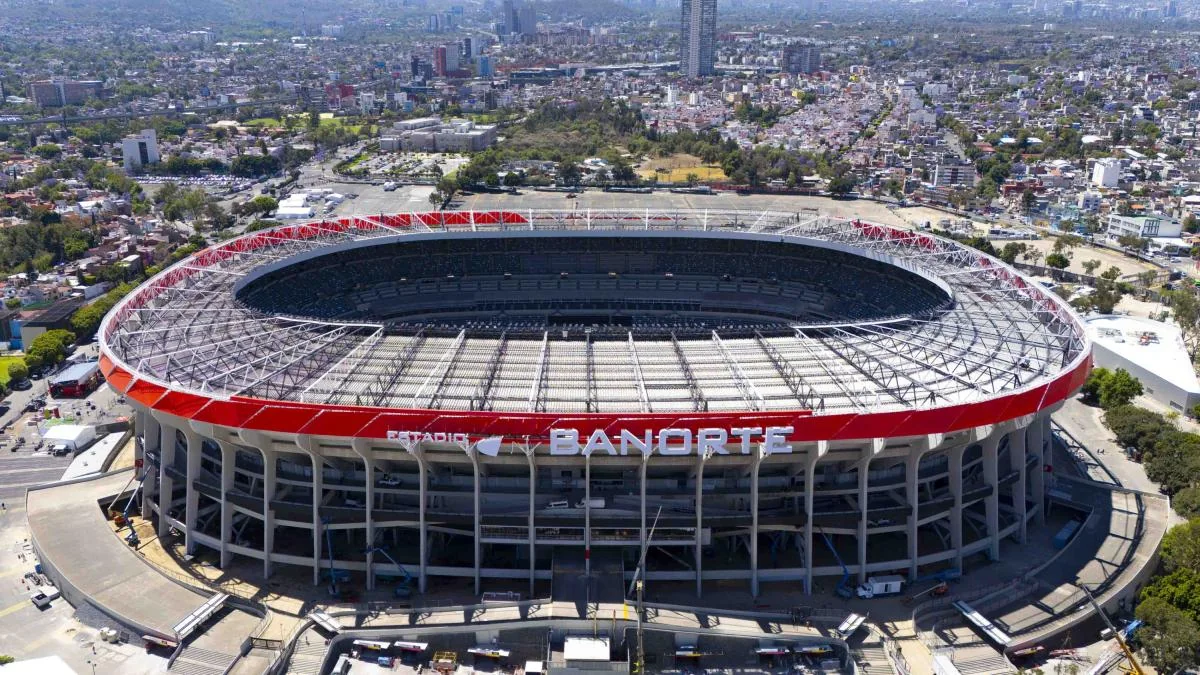
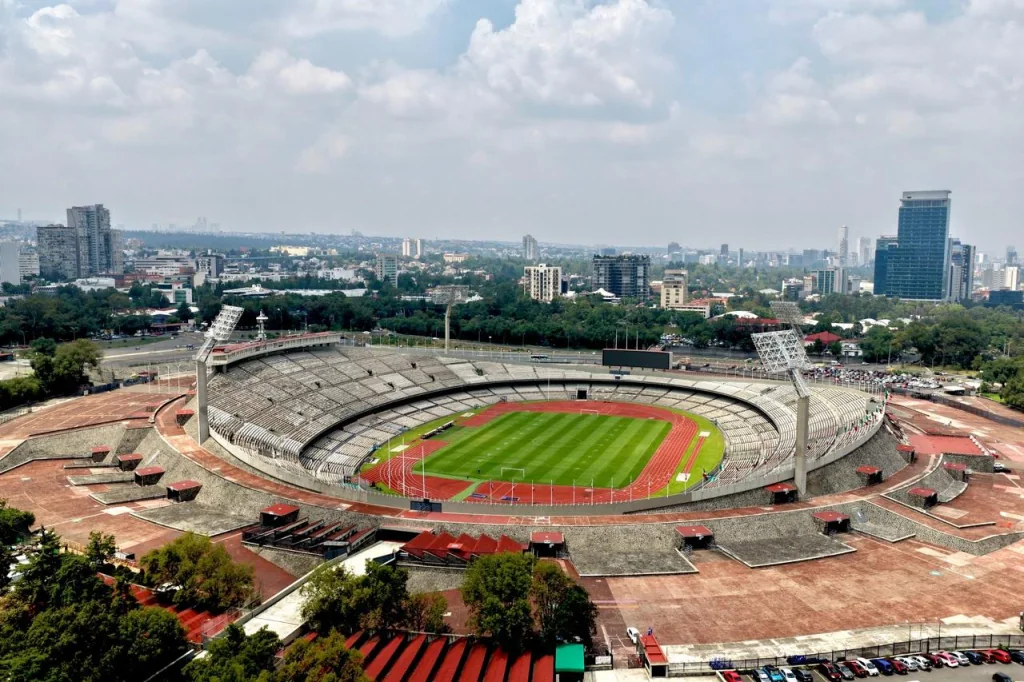
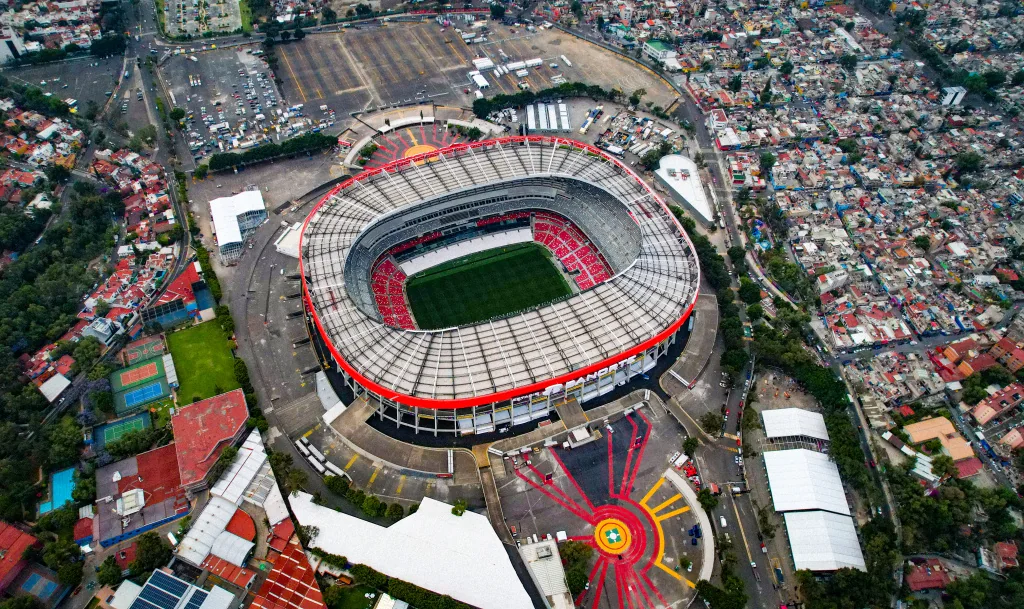
The four clubs currently use two primary Liga MX venues. Three share Estadio Banorte, the renovated stadium historically known as Estadio Azteca, while Pumas play at Estadio Olímpico Universitario. That concentration creates more dates at one building, but every match still belongs to a specific home club.
| Club | Current home orientation | Area | Verify before travel |
|---|---|---|---|
| América | Estadio Banorte | Santa Úrsula / Coyoacán | Home-club event notice |
| Atlante | Estadio Banorte | Santa Úrsula / Coyoacán | Fixture and ticket seller |
| Cruz Azul | Estadio Banorte | Santa Úrsula / Coyoacán | Latest venue assignment |
| Pumas UNAM | Estadio Olímpico Universitario | Ciudad Universitaria | Pumas match information |
Three clubs share Estadio Banorte in Apertura 2026
América, Cruz Azul, and Atlante all use Estadio Banorte in the current tournament. Operationally, that means the building can host different home identities on different dates. An América ticket is not entry to a Cruz Azul or Atlante match, and each club can publish its own presale, access, and supporter information.
The arrangement also makes old directions unreliable. A guide written while América or Cruz Azul used Estadio Ciudad de los Deportes can send a visitor to the wrong part of the city. Open the Liga MX schedule this week, confirm the home team and venue, and only then plan the route.
Pumas remain tied to Estadio Olímpico Universitario
Pumas keep the capital's most distinct club-and-place connection. Estadio Olímpico Universitario opened in 1952 inside Ciudad Universitaria, and the setting—architecture, university landscape, and matchday movement through the campus area—is part of the club experience rather than a generic neutral venue.
A Pumas home date is therefore easy to distinguish conceptually, but not exempt from change. Confirm the listed event and any club access instructions close to matchday, particularly when another major event affects campus or city transport.
Meet Mexico City's four Liga MX clubs
The capital's clubs are not interchangeable badges attached to the same city. Each offers a different route into Mexican soccer: continental ambition and national visibility, popular-city tradition, industrial origins, or university identity. A new supporter will understand them better by starting with those foundations than by choosing only from a current league position.
América and Atlante offer two very different capital traditions
Club América's schedule belongs to a club built for the largest stages. Founded in Mexico City in 1916, América combines a long domestic title history, continental success, intense rivalries, and a following that extends far beyond the capital. For a newcomer, the attraction is frequent high-pressure soccer and a club that is rarely treated as neutral.
Atlante's schedule tells a different story. The Potros are associated with popular Mexico City roots, repeated moves, relegations, and returns. Their Apertura 2026 comeback after 12 seasons outside the top flight makes every home date part of a larger restoration, not merely another season in an uninterrupted elite run.
Cruz Azul and Pumas bring industrial and university identities
Cruz Azul's schedule represents a club whose name, colors, and “Cementeros” nickname preserve its origin as a workers' team linked to a cement cooperative in Hidalgo. Its later move into Mexico City and decades of championship contention turned that industrial identity into one of the country's largest fan bases.
Pumas UNAM's schedule is rooted in the National Autonomous University of Mexico. The club's ground sits inside the university environment, and its academy tradition helps make youth development part of the appeal. A supporter choosing Pumas is choosing not only a team but also a distinctive campus-linked matchday setting.
These identities survive changing coaches, tables, and stadium arrangements. Form can decide which match is most competitive this month, but origin and community usually explain why a supporter stays with a club for years.
Comments
Comments are reviewed before publication.
Sign in with Google to comment. Spam, abusive content, personal information and policy-violating links are not published.
Sign in with Google to comment or reply.
Loading comments…