Mexican soccer history
What “doesn’t exist anymore” means in Liga MX
A missing badge can mean several different things in Mexican football. A club may have been disaffiliated, dissolved, moved to another city, renamed, or simply relegated. This guide covers eight memorable former Liga MX identities whose original top-flight form ended, while flagging the cases where a lower-division club or revival now carries a related name.
Dissolved or disaffiliated is not the same as relegated
Disaffiliated
The federation removes the organization from its affiliated competitions, as happened to Veracruz in 2019.
Relegated
The club leaves the top division on sporting terms but can continue in a lower league.
Relocated
The sporting place moves while the city, brand and supporters can be left behind.
A relocated franchise can leave a name behind
That distinction explains why fans can reasonably say Monarcas Morelia “disappeared” even though its Liga MX registration became Mazatlán FC, or why Atlético Morelia can play today without being the same uninterrupted top-flight entity. In this article, “doesn’t exist” describes the end of the identity that played in Liga MX—not a claim that the name, colors or local football culture vanished forever.
Monarcas Morelia and Lobos BUAP disappeared through relocation
These clubs were not removed by a single liquidation order. Their Liga MX places traveled to new cities and emerged under different identities, leaving supporters in Morelia and Puebla with a break in top-flight continuity.
Monarcas Morelia became Mazatlán FC in 2020
In June 2020, Monarcas’ ownership asked to change both the club’s name and home city. Liga MX approved the move from Morelia, Michoacán, to Mazatlán, Sinaloa, and Mazatlán FC entered the following tournament in Monarcas’ place. The players and top-flight registration moved; the Monarcas identity and its local matchday disappeared from Liga MX.
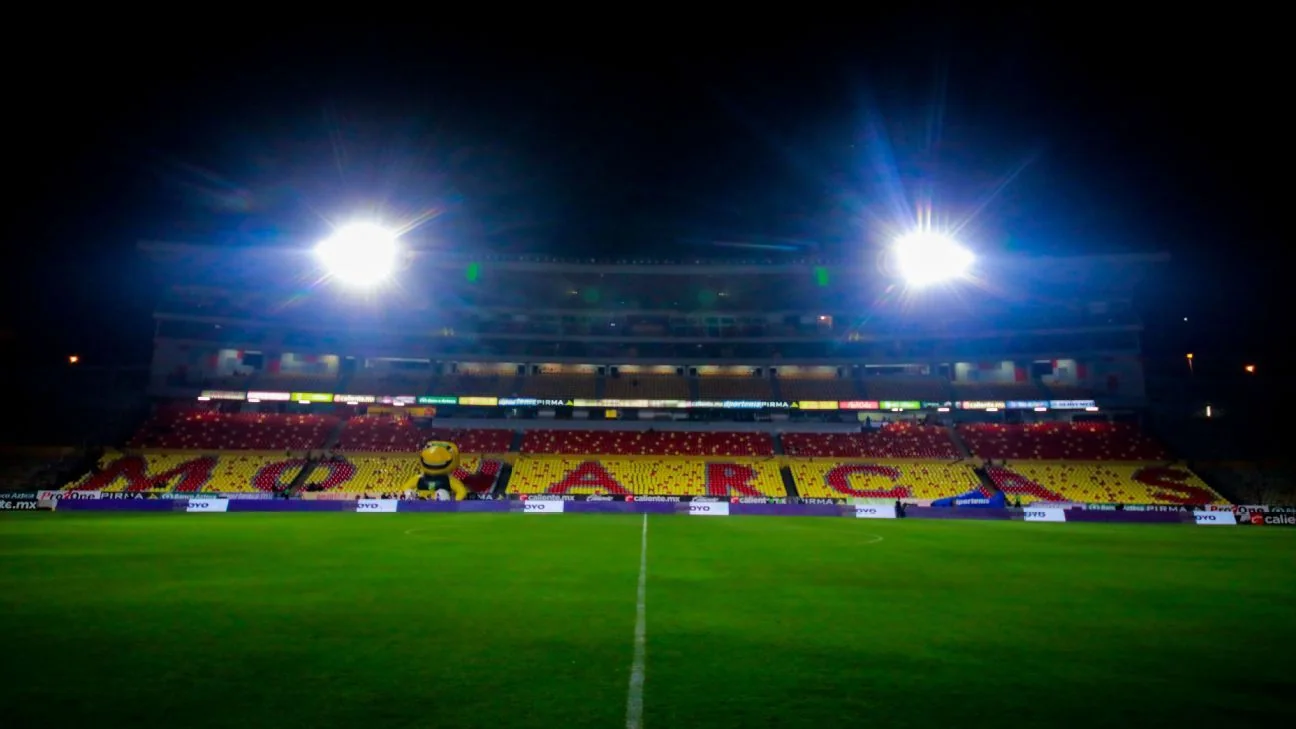
A team called Club Atlético Morelia later represented the city in the second tier. That makes “Morelia has no club” inaccurate, but it does not erase the discontinuity created when Monarcas’ Liga MX place left town.
Lobos BUAP’s Liga MX place moved to FC Juárez
Lobos BUAP reached Liga MX in 2017, but the stay lasted only two seasons. In June 2019, the league assembly approved FC Juárez as Lobos’ substitute in the top division. The sporting place shifted from Puebla to Ciudad Juárez and took the Bravos identity. Fans looking for the current border club should use the FC Juárez schedule, not an archived Lobos listing.
Continuity in one line
Monarcas → Mazatlán was a name-and-city change; Lobos BUAP → Juárez was a purchased top-flight substitution. In both cases, the old Liga MX identity stopped appearing in the table.
Veracruz and Jaguares ended after financial collapse
Veracruz and Jaguares reached a harder ending than the relocated clubs above. Both had wage and debt problems, and both were removed from the affiliated system after federation decisions. Their original Liga MX organizations did not carry on under a new top-flight badge.
Veracruz was disaffiliated in 2019
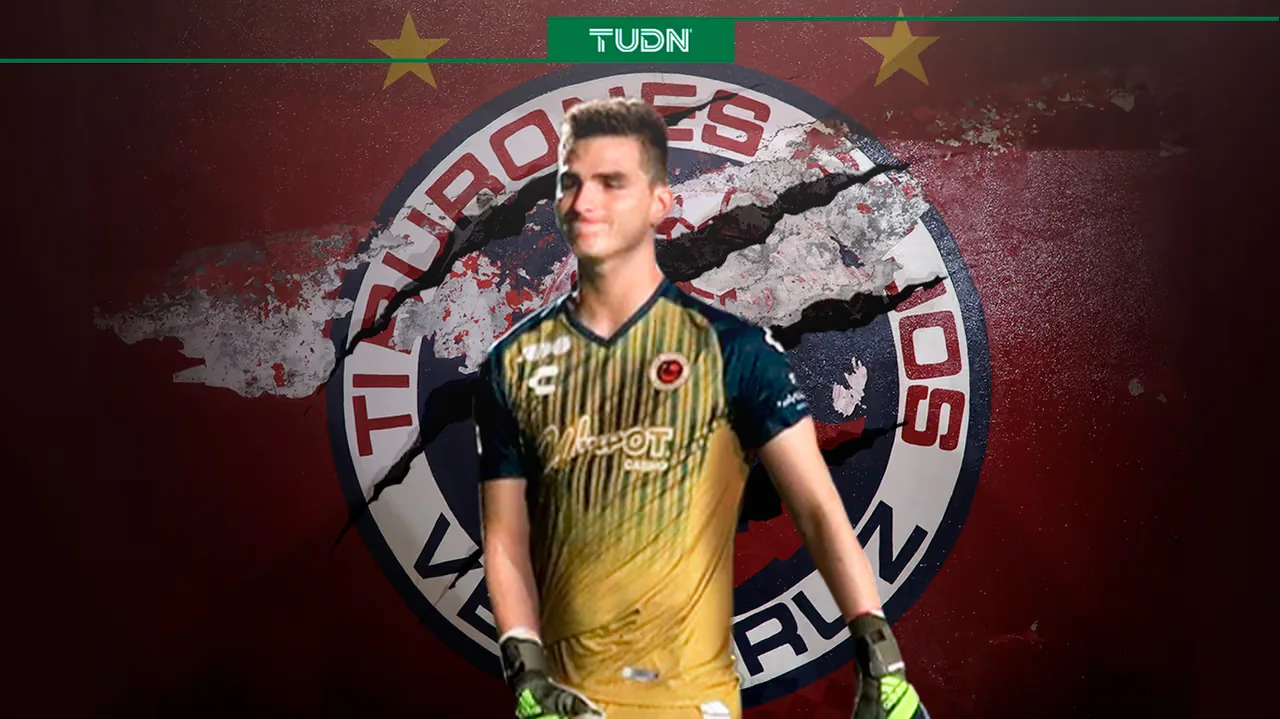
The Tiburones Rojos completed the Apertura 2019 amid unpaid obligations and serious ownership problems. In December, the FMF executive committee voted to disaffiliate the club across its categories. That administrative act—not merely the last-place finish—ended this version of Veracruz inside Liga MX.
Jaguares de Chiapas was disaffiliated in 2017
Jaguares’ ending happened in two steps. The club was relegated after Clausura 2017, which by itself would have sent it to the second tier. It then failed to settle debts to players and staff, and the FMF disaffiliated the organization before the 2017–18 season. Newer teams using a Jaguares-related identity in Chiapas should therefore be understood as revivals, not an uninterrupted continuation of that Liga MX club.
Four more former Liga MX identities fans still remember
The next four cases show why a name can survive in memory—or even reappear below Liga MX—after the original top-flight identity has ended. The table focuses on the break in Liga MX continuity, not on claiming every later badge is illegitimate.
Toros Neza and Indios de Ciudad Juárez
Toros Neza became a cult club of the 1990s and reached a league final before relegation in 2000. Its franchise later left Ciudad Nezahualcóyotl, and subsequent teams using the Toros or Neza identity have been revivals. Indios had a shorter Liga MX run in Ciudad Juárez, dropped to the second tier and then collapsed amid debts. The present-day Bravos are FC Juárez, a separate club identity with a different route into Liga MX.
Estudiantes Tecos and San Luis FC
Estudiantes Tecos left Liga MX through relegation, then its higher-level franchise moved to Zacatecas and became Mineros in 2014. A Tecos project later continued below the top tiers and froze its registration for Apertura 2026, so the precise statement is that Estudiantes Tecos’ Liga MX identity ended. San Luis FC’s franchise moved to Chiapas in 2013. The current Atlético de San Luis is a newer project, not merely San Luis FC under a shorter name.
| Former identity | Top-flight break | Do not confuse it with |
|---|---|---|
| Toros Neza | Relegated; original franchise later moved | Later Toros/Neza revival projects |
| Indios | Relegated; later financial collapse | FC Juárez |
| Estudiantes Tecos | Relegated; higher-level place moved to Zacatecas | Later lower-tier Tecos project |
| San Luis FC | Franchise moved to Chiapas in 2013 | Atlético de San Luis |
Can a disappeared Liga MX club come back?
Yes—but “come back” can describe several different forms of continuity. A club might survive below Liga MX and later acquire a top-flight place, a new owner might revive a dormant brand, or a new organization might adopt a familiar city identity. Those paths are emotionally connected, but they are not legally or competitively identical.
Atlante shows that a historic identity can return
Atlante remained active after its 2014 relegation and spent 12 years outside the top flight. For Apertura 2026, the Potros acquired the affiliation place associated with Mazatlán and re-entered Liga MX. The badge, name and supporter culture had continued in the lower division, while the route back came through a transaction rather than automatic sporting promotion. Follow the renewed chapter on the Atlante schedule.
How to tell an original club from a revival
Five continuity questions
- 1. Is the affiliated legal organization the same?
- 2. Who owns the name and crest?
- 3. Did the competition certificate move?
- 4. Did the club remain in its home city?
- 5. How do club and league sources describe the history?
That checklist avoids two opposite mistakes: erasing the supporters and history that connect a revival to the past, or pretending every reused badge creates uninterrupted legal continuity. For the active competition, trust the current Liga MX standings and team pages; for lineage, verify the transaction and federation record.
Comments
Comments are reviewed before publication.
Sign in with Google to comment. Spam, abusive content, personal information and policy-violating links are not published.
Sign in with Google to comment or reply.
Loading comments…